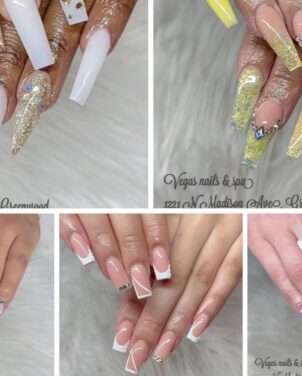

The New Era of the French Tip: Choosing Between Classic and Micro Precision
The Ultimate Nail Evolution
The French manicure has officially broken free from its time capsule. Once defined strictly by the chunky, high-contrast acrylics of the late 1990s and early 2000s, this iconic nail aesthetic has undergone a massive structural shift. Today, nail art is no longer a one-size-fits-all formula. Instead, it has split into two fiercely popular camps: the revivalist Classic French and the ultra-minimalist Modern Thin-Line, often called the Micro French. Deciding between these two styles determines the entire tone of your personal style.
The Classic Revival: Bold, Structured, and Nostalgic
The Classic French manicure is a masterclass in clean structure. It features a prominent, opaque white stripe that stretches across the natural free edge of the nail, traditionally covering one-quarter to one-third of the nail bed. This stark white tip contrasts sharply against a sheer, milky pink or soft beige base coat.
This style thrives on length and geometry. It looks best on medium-to-long nails, particularly when paired with structured almond, sharp bocaratonnexgennails.com square, or elegant oval shapes. The primary visual effect of the classic technique is that it dramatizes and highlights the length of the nail tip. It carries a nostalgic, high-fashion vibe that demands attention, making it the perfect choice for anyone who wants their hands to look instantly polished, intentional, and undeniably glamorous.
The Modern Thin-Line: The Epitome of Quiet Luxury
For those who prefer a whisper over a shout, the Modern Thin-Line French is the ultimate solution. This contemporary reimagining shrinks the traditional white tip down to a razor-thin, millimeter-wide crescent that hugs the very peak of the nail edge.
Unlike its predecessor, the Micro French focuses on the illusion of natural perfection. By minimizing the width of the tip, this technique visually stretches the length of the nail bed rather than the tip itself, making the fingers look long, slender, and delicate. It is a style engineered specifically for short, natural, or active-length nails. The color palette often shifts away from stark white toward softer ivory, cream, or even subtle metallic hues. It fits flawlessly into the modern minimal aesthetic, offering a clean look that complements any outfit without competing for attention.
Application Secrets for Flawless Lines
Achieving the perfect smile line requires specific tools and patience. To master either style, skip the thick brush that comes inside the nail polish bottle. Instead, invest in a long, ultra-fine detailing liner brush.
Start by painting your base with two coats of a semi-sheer, neutral gel or lacquer to mask any natural nail discoloration. When drawing the tip, load a tiny amount of polish onto your liner brush. Rest your finger on a flat, stable surface, and anchor your hand. For the Classic look, sketch the line from the outer side walls curving gently toward the center. For the Modern Thin-Line, trace the absolute edge of the nail using light, fluid strokes. Finish with a thick, high-gloss top coat to smooth out the microscopic ridge between the tip and the base.
What type of nail shape are you planning to pair with this look? I can provide tailored brush-stroke techniques or recommend the most flattering base coat shades for your specific skin tone.