
The Sustainable Art of Organic Tea Farming: Soil, Soul, and the Perfect Brew
The global demand for organic tea is surging as consumers seek healthier lifestyles and environmentally conscious products. Unlike conventional plantations that rely heavily on chemical inputs, organic tea farms operate in harmony with nature. These specialized estates prioritize soil health, biodiversity, and traditional agriculture to produce clean, flavorful leaves. Understanding how these farms operate reveals why organic tea is better for the planet, the farmers, and your morning cup.
The Foundation of Organic Cultivation
At the heart of every organic tea farm is a commitment to living soil. Conventional tea farming often uses synthetic nitrogen fertilizers to boost leaf growth quickly. Over time, these chemicals deplete the soil of natural nutrients and destroy beneficial microbial life.
Organic farmers reject synthetic inputs entirely. Instead, they enrich the earth using natural compost, animal manure, and cover crops like legumes that naturally fix nitrogen in the soil. Healthy soil acts as a sponge, retaining water more efficiently and anchoring the tea bushes with deep, robust root systems. This natural resilience helps the plants withstand extreme weather conditions, such as droughts or heavy monsoon rains, which are becoming more common due to climate change.
Natural Pest Management and Biodiversity
One of the biggest challenges in tea cultivation is managing insects and diseases without chemical pesticides. Tea plants thrive in warm, humid climates—environments that also attract pests like aphids, thrips, and beetles.
To combat this, organic tea farms cultivate rich, biodiverse ecosystems. Instead of clearing all surrounding vegetation, farmers plant shade trees, wildflowers, and native shrubs alongside the tea bushes. This varied landscape attracts natural predators, including birds, ladybugs, and spiders, which keep pest populations under control. Some farms also utilize botanical sprays made from neem oil, garlic, or chili to deter insects without leaving toxic residues on the tea leaves.
Global Pioneers of Organic Tea
Organic tea farming takes place in historic tea-growing regions across the world, each bringing unique flavors shaped by local geography.
- India: In regions like Darjeeling and Assam, historic estates have transitioned completely to organic and biodynamic frameworks. The famous Makaibari estate in Darjeeling became a pioneer by treating the entire plantation as a self-sustaining forest ecosystem.
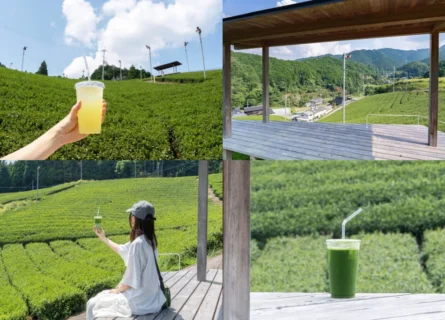
- Japan: In regions like Uji and Shizuoka, organic green tea and matcha farms utilize meticulous shading techniques and organic fertilizers derived from marine life or straw to maintain the deep, savory umami flavors of their crops.
- China: High-altitude organic farms in Yunnan and Fujian utilize mountain mists and steep terrain as natural barriers against pests, producing clean white teas, oolongs, and pu-erhs.
Why the Choice Matters
Choosing tea from certified organic farms offers clear benefits. For the consumer, it guarantees a beverage free from synthetic chemical residues. Because tea leaves are rarely washed after harvesting and before processing, the first time conventional tea leaves meet water is often in your mug. Organic certification ensures your brew is pure.
Furthermore, organic farming protects the people who harvest your tea. It eliminates the risk of chemical exposure for https://www.teatimeus.com/ field laborers and prevents toxic runoff from polluting local drinking water sources. By supporting organic tea farms, consumers actively invest in agricultural preservation, worker welfare, and a cleaner global environment.